
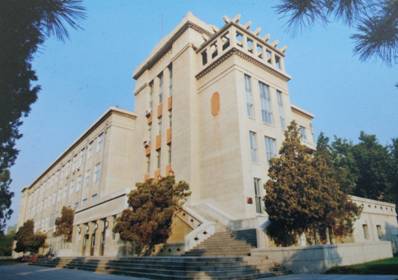
 The State Key Laboratory of Synthetical Automation for Process Industries (SAPI) pursues fundamental research and advanced cutting-edge technology development to meet the requirements on high automation performance, intelligent and optimal manufacturing in process industries under green environment. Technically, SAPI focuses on the development of data-driven control theory and technology, including intelligent data modelling, advanced control and smart decision-making techniques for complex process industries. SAPI promotes automation technology with national characteristics and keeps the top international and national reputation in mind and establishes an innovative-talent-cultivation mechanism through combining scientific researches with teaching and talents
training programs.
SAPI has very strong leadership in the working field and attracted many outstanding academics around the world to work in the lab, including 4 NSFC innovative research groups, 2 Discipline Basements of Innovation and Talent Recruitment (111 Plan), 4 Academicians, 7 IFAC Fellows, 13 IEEE Fellows, 11 “Thousand Talent Plan” scientists, 9 Distinguished Young Scholars of Natural Science Foundation of China (NSFC),and 8 full-time and 7 part-time Chair Professors of Cheung Kong Scholars Program, 16 Excellent Scholars of New Century, and 1 awardee of young scientist of nationwide universities (the 1st awardee in automation and
management since the award has been founded).
With the excellent research environment and opportunities, SAPI has established experimental platforms for teaching and research on the following specific topics such as intelligent data modelling, control and decision-making; smart control system design for process industry, big data processing for industrial monitoring systems, networked control systems and cloud computing; and integrated automation system design.
Along with the associated
SAPI carries out extensive and comprehensive international collaboration, having a great impact on the global research and engineering community. The three presidents Profs. Francesco Bullo、Maria Elena Valcher and Roberto Tempo made the following comments: “I am especially thankful to Prof. Tianyou Chai for hosting me at